Begin with the evidence status
A treatment conversation should explain both the proposed benefit and the limits of what is known. The American Urological Association’s published erectile-dysfunction guideline considers low-intensity extracorporeal shockwave therapy investigational. Ask the clinician how that status relates to the treatment being offered and what uncertainty you would be accepting.
A confident advertisement, a testimonial or a familiar technology name cannot answer that question on its own. Keep a written record of the explanation so you can revisit it before committing to a treatment course.
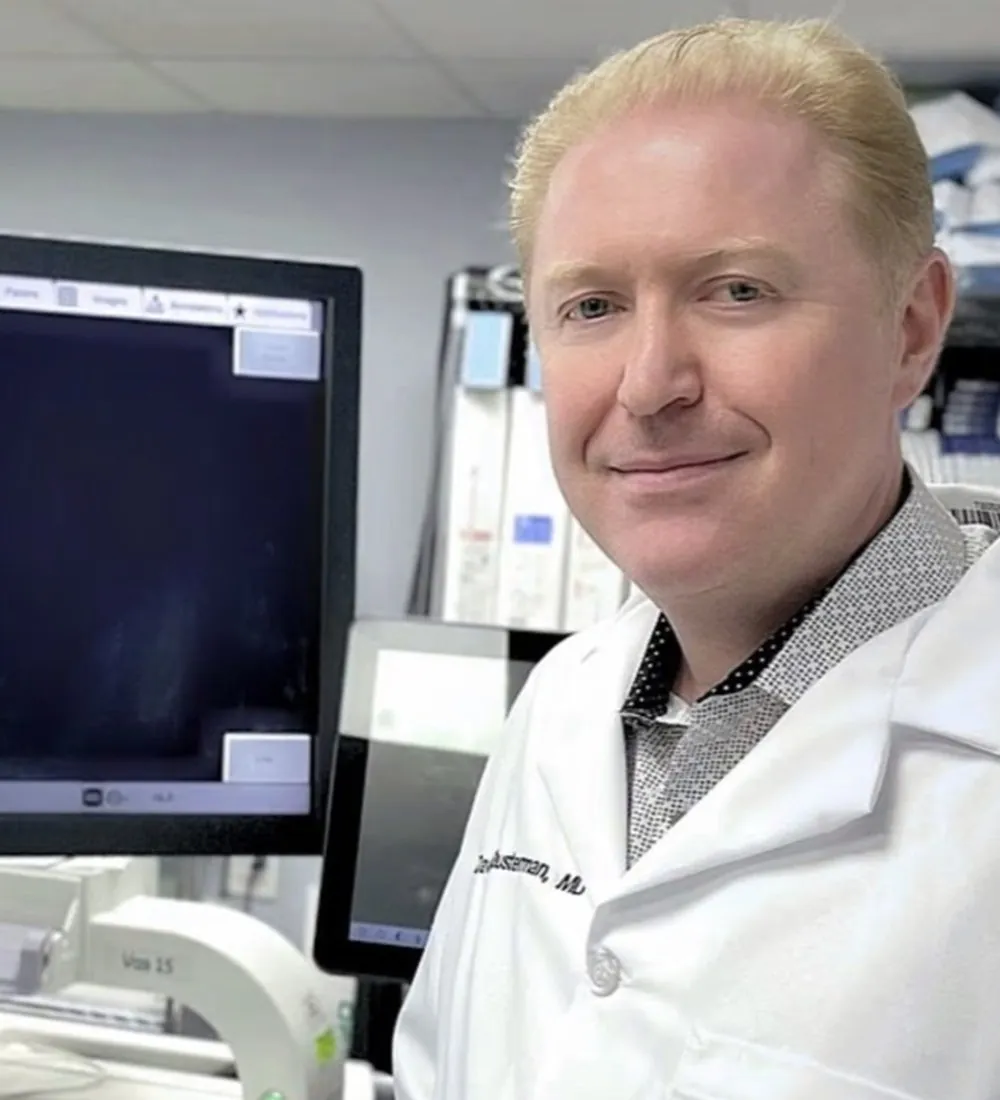
David Shusterman, MD. Bring your questions about the evidence, alternatives and follow-up to an individual urology evaluation.
Ask exactly what is being offered
Request the device name, the type of energy it delivers, the planned schedule and the reason that approach is proposed for you. Ask whether the studies cited used the same device and a comparable treatment protocol. Treatments described with similar marketing language should not automatically be treated as equivalent.
Ask for the source of any regulatory claim and whether it applies to the specific device, indication and use being discussed. Write down the claim accurately rather than converting “cleared” or “registered” into a broader promise of effectiveness.
Define the outcome before treatment
Ask what improvement would count as meaningful, how it would be measured and when it would be reassessed. Clarify whether any improvement described in research occurred with or without other ED treatment. Ask what the plan would be if you do not notice a useful change.
A measurable goal might be discussed through a clinician-selected questionnaire and your own functional priorities. Avoid substituting a guaranteed result or a promised number of years of benefit for an individualized discussion of uncertainty.
Compare the alternatives and the whole cost
Ask which established options are relevant to your situation, why they have or have not been recommended, and whether further evaluation is needed before choosing. Request the total cost, what the quoted package includes, and whether additional visits or treatments could be suggested later.
Read cancellation and refund terms before paying. Separate a financial package from a clinical plan: the number of prepaid sessions does not establish the right treatment for a particular person.
Keep diagnosis and follow-up in the conversation
NIDDK describes ED evaluation as including medical, sexual and mental-health history, examination and selected tests. Ask what has been evaluated in your case and what remains uncertain. A device-focused consultation should still leave you knowing who will oversee your care and whom to contact with concerns.
Use these questions to support informed discussion. This article does not establish candidacy, promise benefit or replace a personal assessment.
Educational information for preparing questions and organizing records. It is not a diagnosis or a personal treatment plan. Follow your treating clinician’s instructions; do not delay urgent care to complete a worksheet or reading guide.